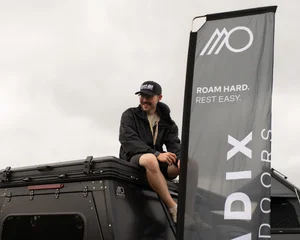

Why I’m Still Using the Sony A7III: My Honest Review in 2026
Published February 2025 | Last Updated March 2026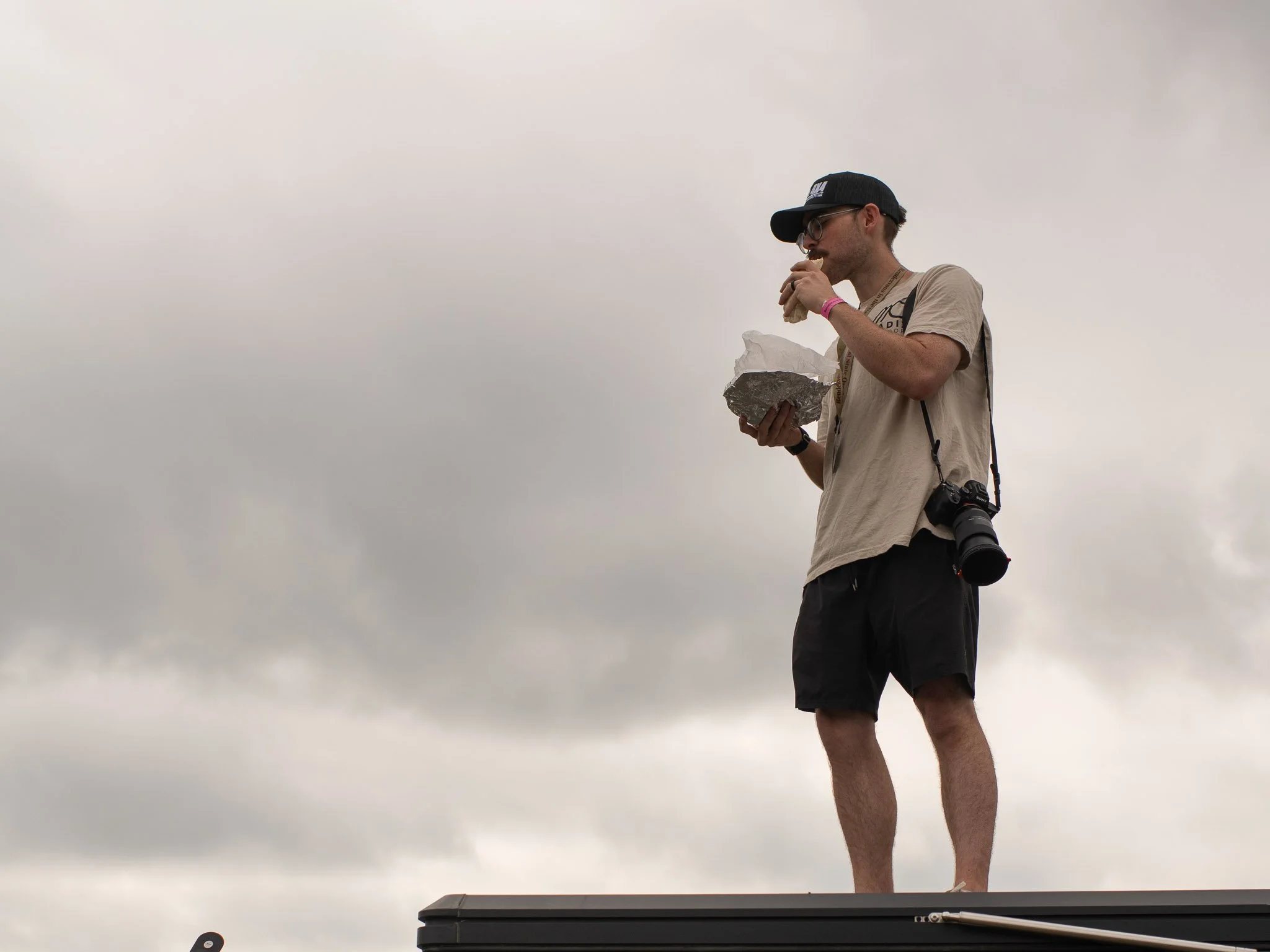
I EAT BURRITOS ON MY CAMPER WITH THIS CAMERA ON MY HIP. THAT PROBABLY TELLS YOU HOW I FEEL ABOUT THE A7III.
Every few months, someone asks me what camera I shoot with. When I tell them the Sony A7III, they usually follow up with something like “isn’t that kind of old now?”
The A7III came out in 2018, but honestly, I still think it’s one of the best mirrorless cameras you can buy without breaking the bank, that still has excellent features even compared to newer models.
I’ve personally been shooting with the A7III for over two years now, primarily for overlanding, lifestyle photography, automotive work, and outdoor adventure content. I upgraded to it from the Canon T7 Rebel, which I ran for 6 years before that, so I know what it’s like to shoot on both ends of the spectrum.
I pair it with the Sigma 24-70mm f/2.8 Art Lens for pretty much everything (the lens barely leaves the camera). That combination covers the majority of what I shoot, including wide landscapes, truck detail shots, camp scenes, product photography, portraits, and more. If you’re considering the A7III, this is my experience with it over the years.
_______
This article may contain affiliate links, meaning I may earn a commission on purchases through my links at no cost to you. thank you for supporting Overlandaholic!_______
Why I Upgrade to the A7III
Coming from the Canon T7 the jump to a full frame mirrorless camera was major. The T7 taught me photography fundamentals and honestly produced great images when I knew what I was doing with it. But, it had real limitations like slow autofocus in live view, noise above ISO 800, and a fixed screen that made certain shots really awkward to pull off.
When I started doing more commercial work for brands, the T7 started to feel like a ceiling and I needed something that could handle low light since I was out in the forest or shooting at golden hour a lot, could track moving subjects reliably, and produce files with enough dynamic range to edit the way I wanted to.
I was introduced to the A7III at work and got to try it out first hand for product and lifestyle photos. It checked every one of those boxes and at its pricepoint it was one of the best value full frame cameras you can buy.
What It’s Actually Like to Shoot With
The first thing I noticed coming from an entry level DSLR is how good the electronic viewfinder is, how fast you can shoot photos, and the higher ISO you can set and still get a great picture quality.
With the viewfinder, the nice thing is that it’s electronic, meaning you can actually see your settings, like exposure, in real time before you take the shot which changes how you work completely instead of having to review the photo every time.
The autofocus is also crazy fast and reliable for the type of photography and amount of video work I do. The eye autofocus locks on and holds well for portrait style shots. Unfortunately it doesn’t have some of the newer features like vehicle tracking but I haven’t had an issue and typically use manual focus anyway for these types of shots. It’s definitely not the A7V style tracking but I honestly have not had any issues where I felt like it was lacking, especially with outdoor, automotive, and product photography.
The overall ergonomics of the camera are great which is nice because I’m usually carrying it a lot especially when running around the trails getting photos. It sits well in my hand and the controls just make sense, especially if you decide to customize the buttons to fit your workflow. It’s also weather sealed, which matters when you’re shooting a lot in the field. I’ve shot in everything from rain to dusty conditions and have not had any issues.
Battery life is genuinely great. I can shoot pretty much a full day of photography outdoors on one battery without stressing about it. If you plan on shooting more video, the battery life still lasts a while but it wouldn’t hurt to just pick up some extra batteries. I picked up a set of third party batteries as a backup. The battery life is excellent for me, especially when I’m out shooting in remote locations with a limited amount of battery and having to rely on my power bank.
Sony A7III Image Quality
This is where I believe that the A7III still holds its own in 2026. It features a 24MP full frame sensor that produces high resolution pictures and excellent dynamic range which is perfect for the things I do like outdoor photography where you’re often dealing with super bright skies and dark foregrounds in the same frame.
The low light performance is also great. I shoot a lot early in the morning or later in the evening and the A7III handles it well. ISO 3200 is clean, ISO 6400 is more than usable, I’ve even pulled shots from ISO 12800 that worked with a little bit of noise reduction in Lightroom.
I shoot RAW exclusively, and the dynamic range gives me room to recover highlights and lift shadows without the picture looking absolutely terrible. Since a majority of my work is outdoors, where lighting conditions are constantly changing, editing flexibility is worth a lot.
Paired with the Sigma 24-70 f/2.8 Art, the image quality is super sharp. For comparison, I shoot with a Canon R5 with the Canon RF 28-70 IS USM lens at work and I honestly think my Sigma lens provides a sharper image. The Sigma lens is sharp across the frame, renders colors beautifully, and the f/2.8 constant aperture through the zoom range gives me the flexibility in multiple different light conditions. The lens does a lot of the heavy lifting and the A7III sensor is more than capable of handling everything it can deliver.
Where It Shows Its Age
Being completely honest, because I value transparency, one of the places I see the A7III lacks is with video. It shoots 4K, but it’s 8-bit color with no 10-bit option, plus no 4K 60fps. For people just getting into videography, shooting short-form content, or not wanting to get fully into videography, it’s more than enough. For serious video work, the A7III is going to feel limiting. The Canon R50 V I’ve also used for a bit handles video significantly better, especially for content creators.
While I’m not a big video person yet, videography has definitely been something I’m trying to learn more about and shoot more and I find that I am starting to notice these limitations. In particular one big factor is that when I want to shoot a video of myself, the screen doesn’t flip all the way around, only tilts. This means you’re not able to see what the frame looks like behind the lens. This can make it pretty difficult for people wanting to vlog or be on camera a lot and may require using an external monitor or pairing their phone to the camera with the Sony Imaging Edge app to be able to see what they’re recording.
The menu system is Sony’s older interface, which takes some getting used to since most people find it not as intuitive out of the box. I found that once you use the camera for a while and customize the function menu to your most used settings, it’s not that big of a deal, and you don’t even think about it.
Is the Sony A7III Worth Buying in 2026?
At current prices, which are typically in the $900 to $1,700 range depending on new, used, and condition, the A7III is still one of the best value full-frame cameras available. You’re getting a sensor that was class-leading when it launched and still holds up well, a reliable autofocus system, excellent battery life, and good weather sealing.
If you’re a photographer who primarily shoots stills - landscapes, automotive, portraits, sports, outdoor lifestyle - and you want to step up to full frame without spending $2,500 plus on newer camera bodies, the A7III makes a lot of sense. The image quality difference between it and newer Sony bodies is real, but it’s not the kind of difference that most people notice in real-world shooting conditions.
If video is a significant part of what you do, I would recommend looking at the A7IV or something more video oriented. The A7III will frustrate you there.
The Setup I Use and Recommend
If you’re going the A7III route, the lens matters as much as the body. The Sigma 24-70 f/2.8 Art is what I run and it’s worth every penny. The versatility of that focal range covers almost everything and the f/2.8 throughout gives you excellent low light capability.
If that’s out of budget, the Sony 28-70mm kit lens is a decent starting point, and the Sony 50mm f/1.8 (non-GE version) is an affordable prime that produces beautiful results. Both are solid ways to get started without breaking the budget on glass.
Pick up at least one extra battery. In all of my experience, the third party batteries work just as well and cost a fraction of the Sony original batteries.
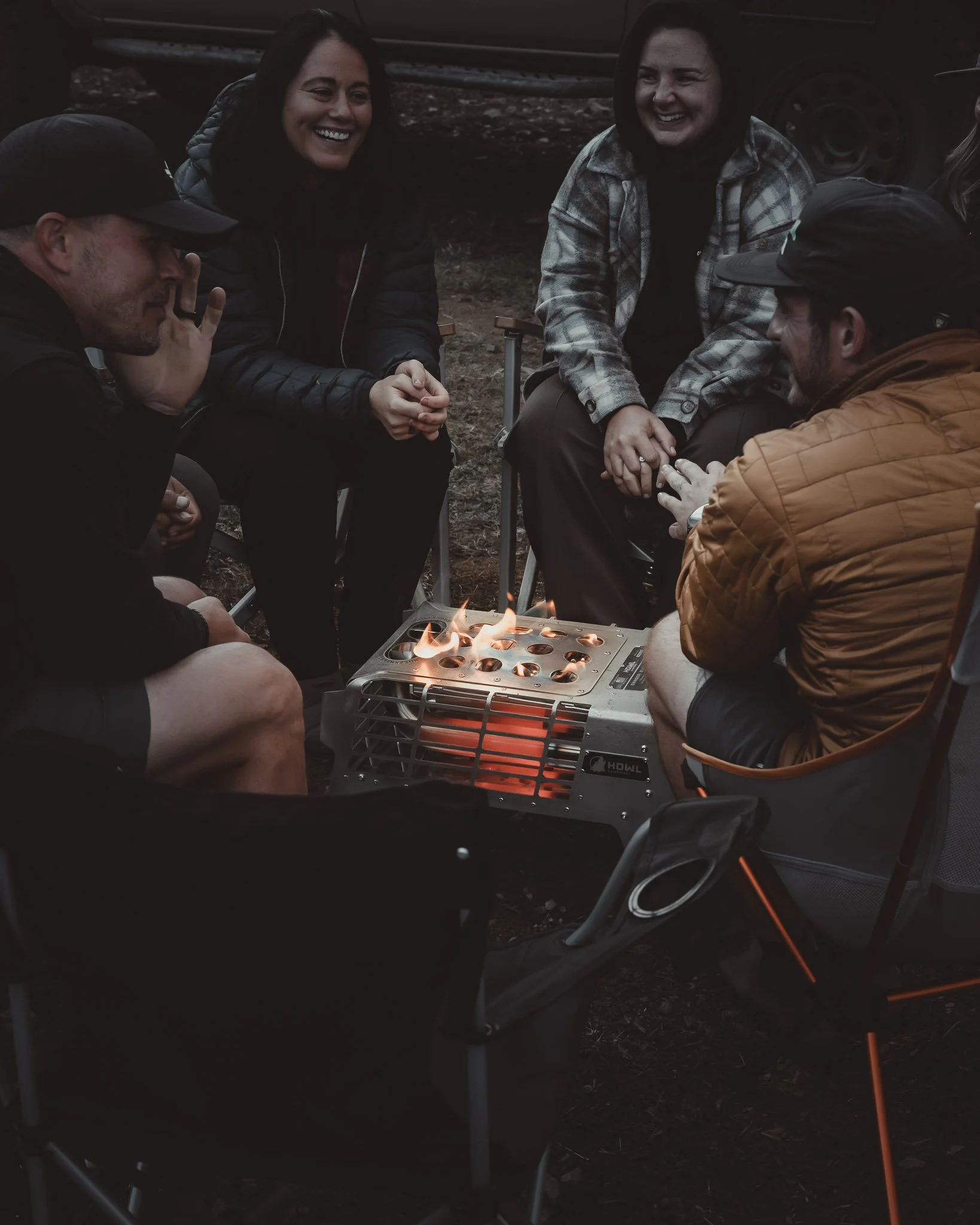
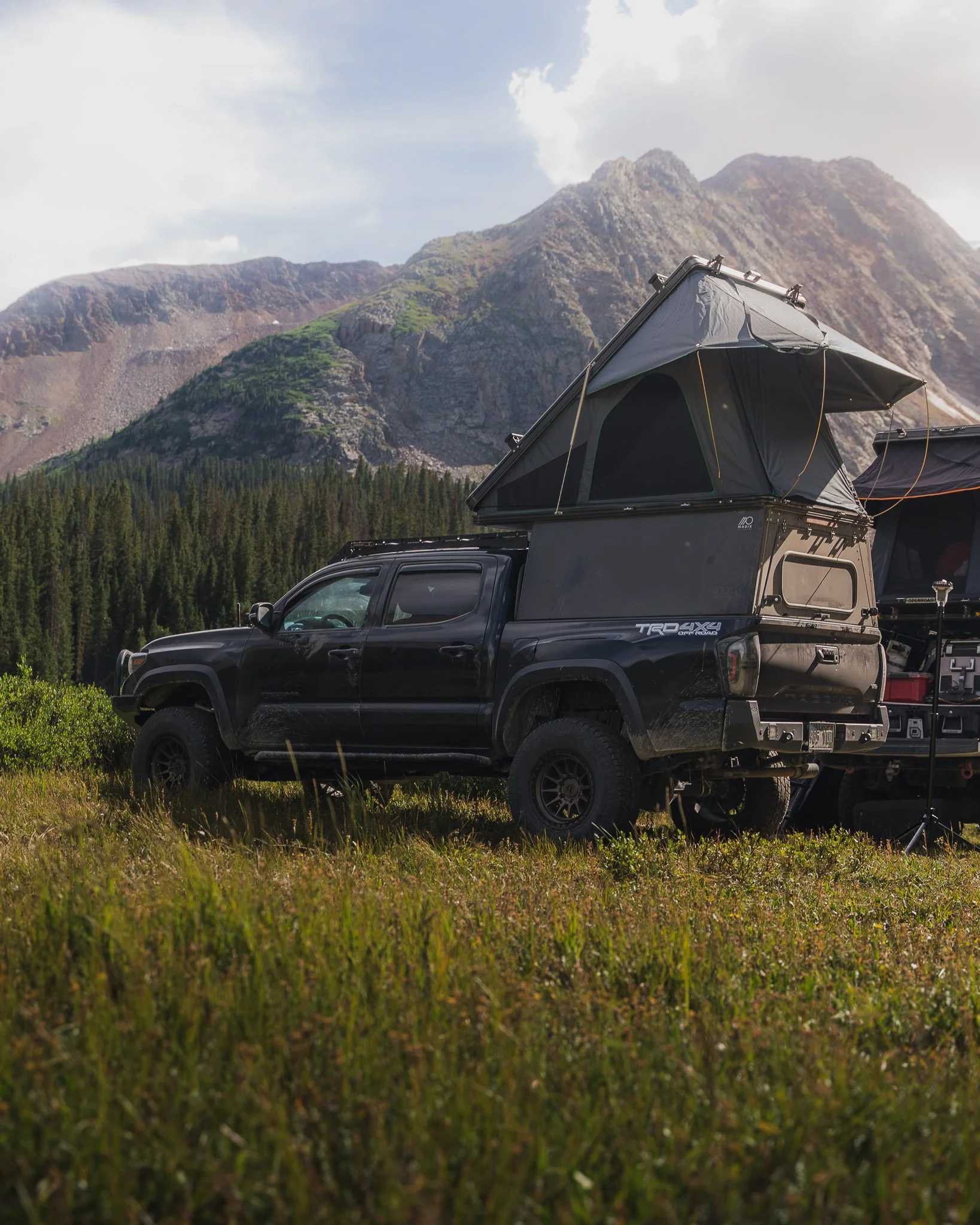
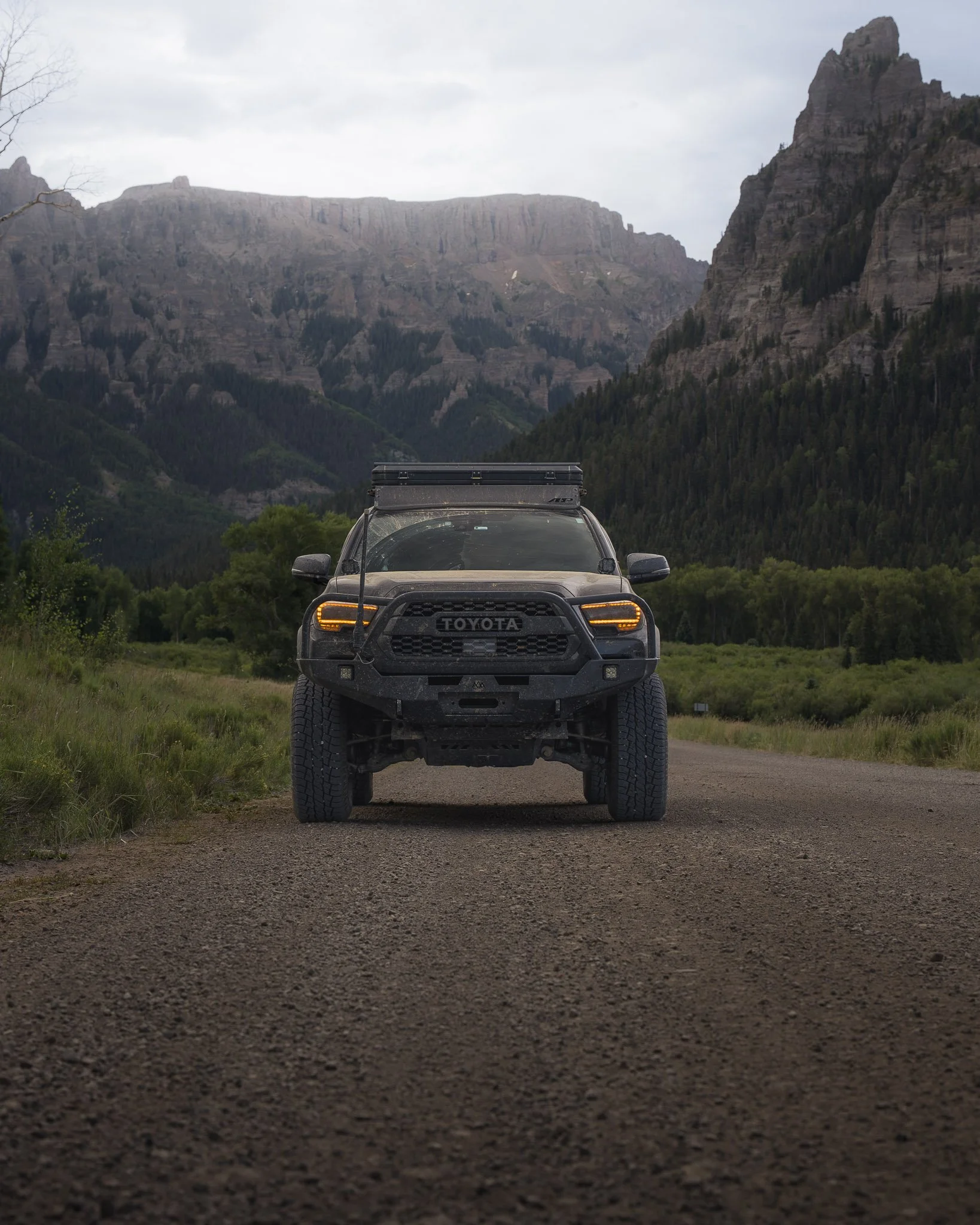
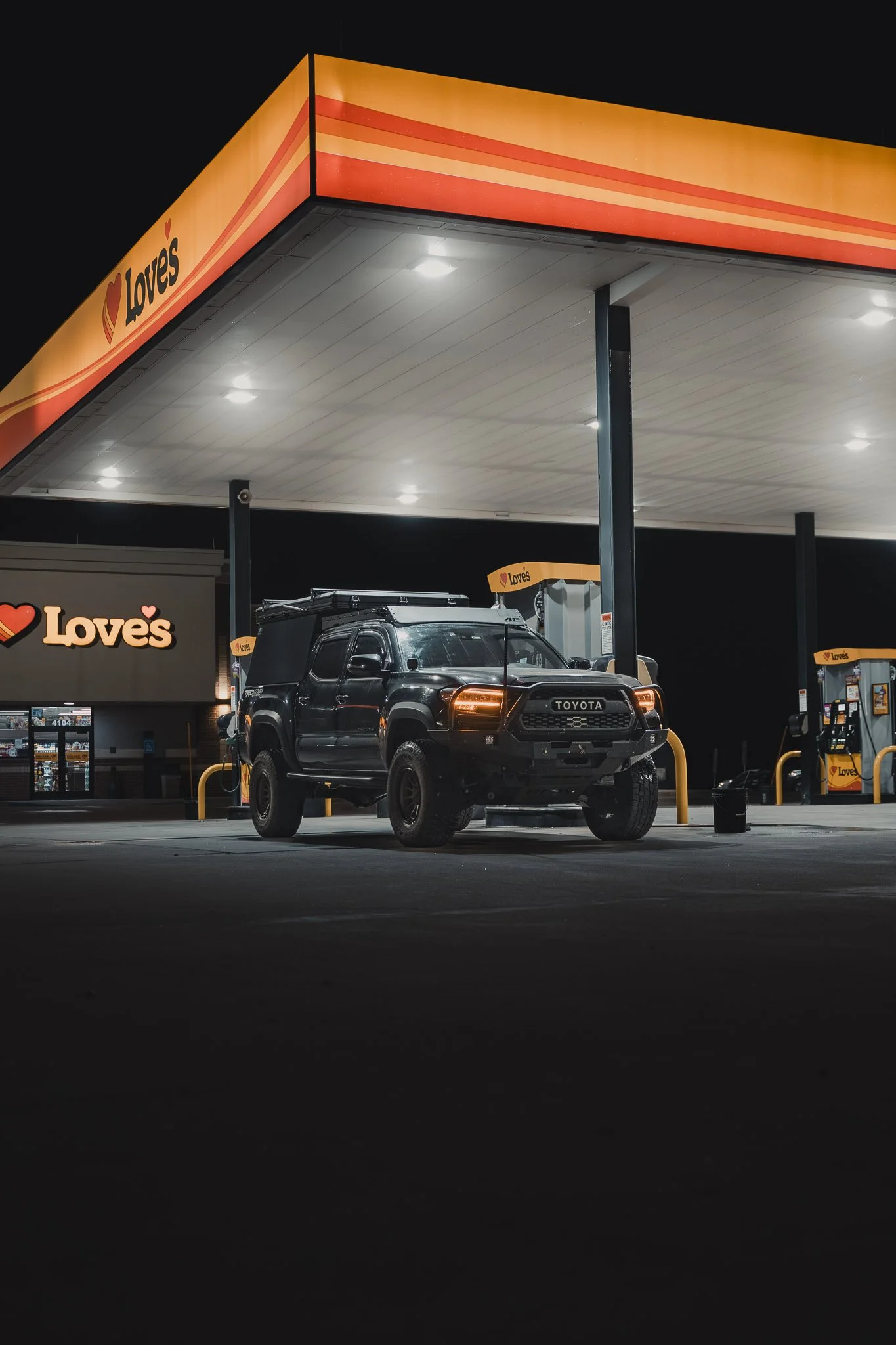
Photos Examples With the A7III
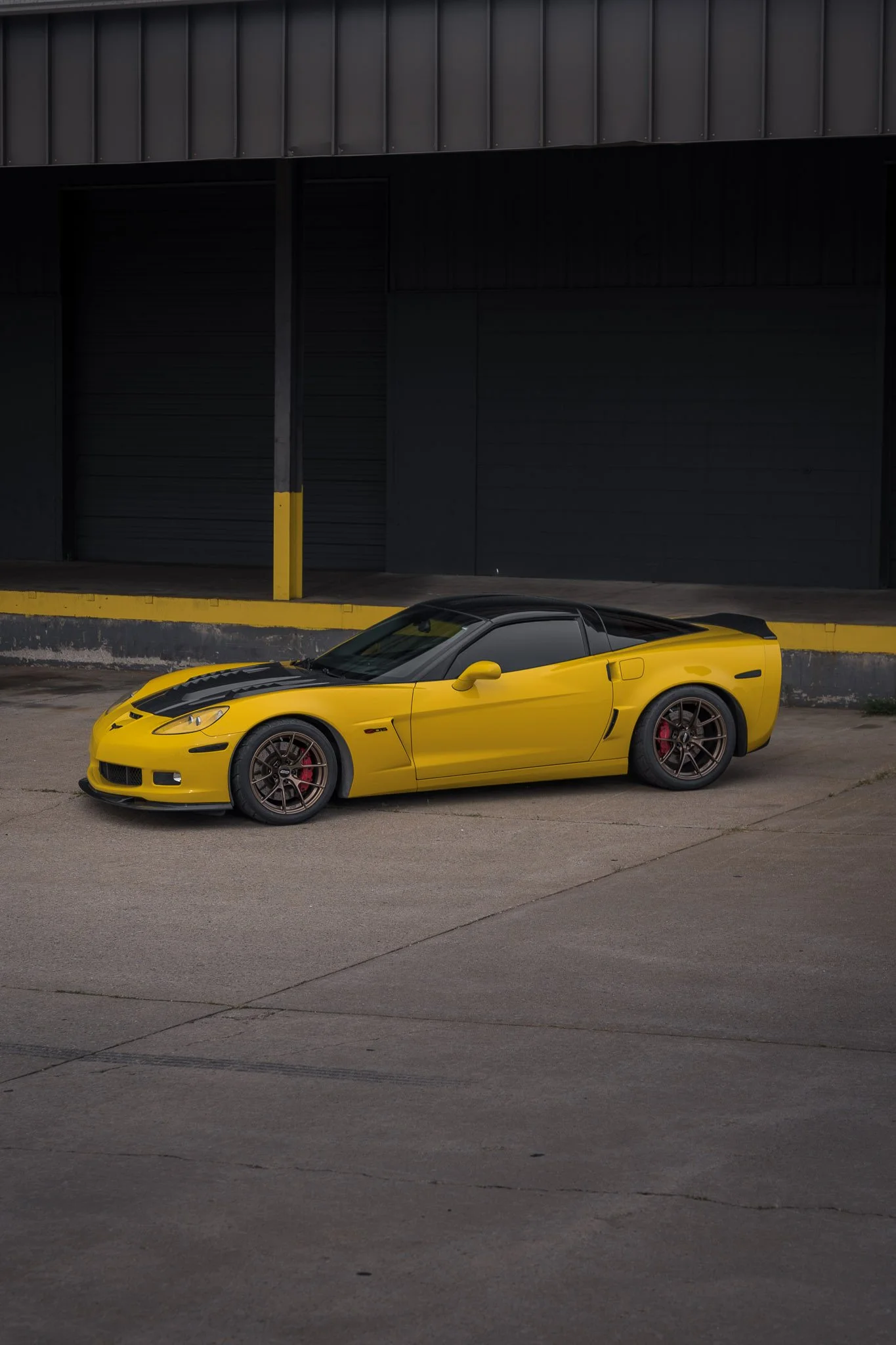
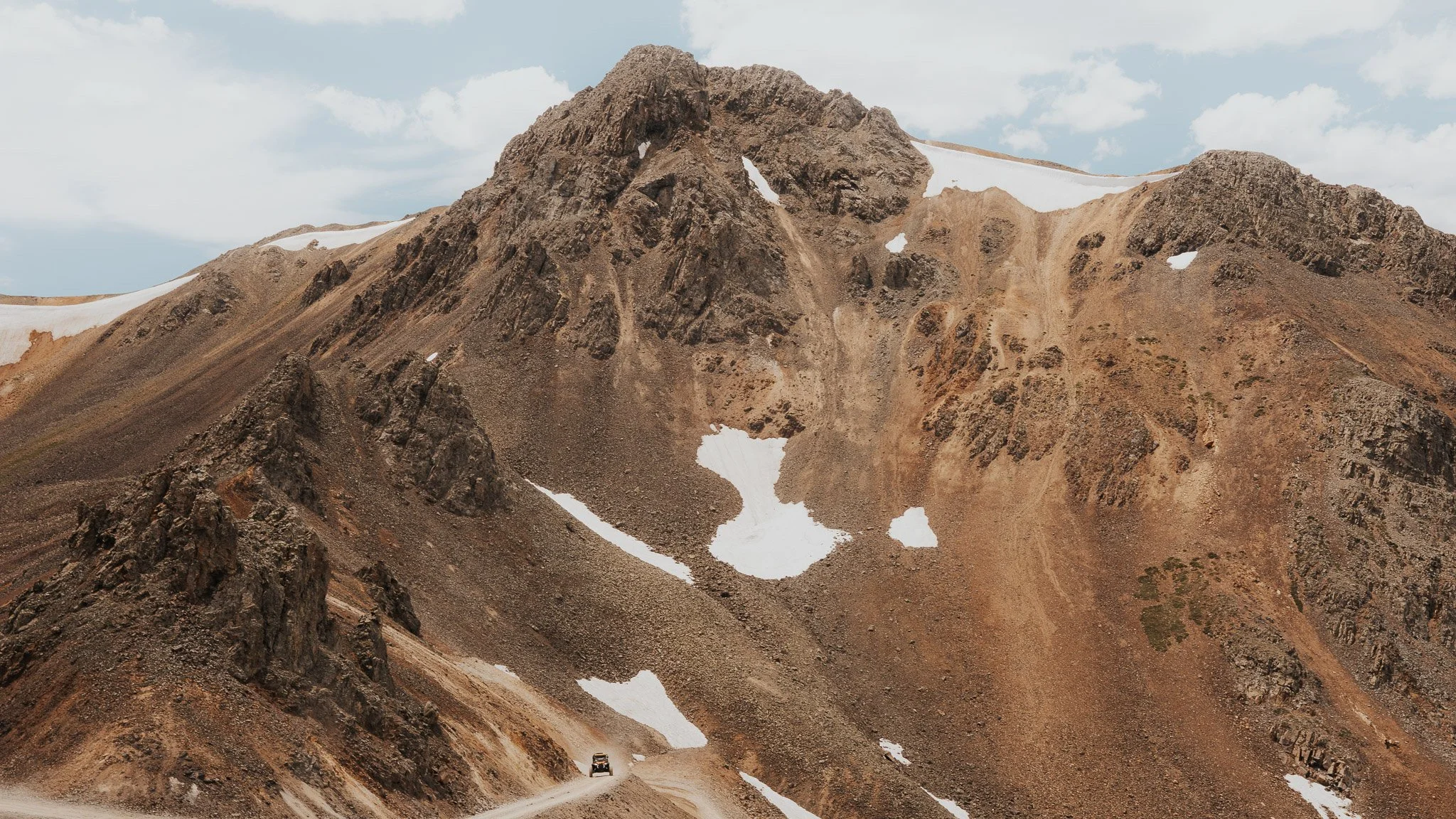
All of these photos were taken with my Sony A7III and the Sigma 24-70 Art f/2.8 lens.
Note: images below may have standard web compression applied and may not fully represent the camera's native image quality.
FAQ
Is the Sony A7III Worth Buying in 2026? For photography focused-shooters yes. The image quality, autofocus, and battery life are still competitive and used prices make it excellent value for a full frame camera. If video is a priority look elsewhere.
How does the Sony A7II compare to the A7IV? The A7IV has improved autofocus, better video capabilities including 10-bit color, and a higher resolution sensor at 33MP. It’s a meaningful upgrade but at roughly double the used price of an A7III the question is whether those improvements matter for how you actually shoot.
Is the Sony A7III good for outdoor and adventure photography? In my experience, it’s excellent for it. The weather sealing handles field conditions well, the low light performance is strong for golden hour and dawn shooting, and the dynamic range gives you editing flexibility for high contrast outdoor scenes.
What lens should I pair with the Sony A7III? The Sigma 24-70mm f/2.8 Art is what I use and it’s genuinely an excellent pairing for versatile shooting. The Sony 28-70mm kit lens is a more budget friendly starting point that covers similar ground.
Does the A7III shoot good video? It shoots decent 4K video for casual use but lacks 10-bit color, 4K 60fps, and a fully articulating screen. For serious video work the A7IV, A7SIII, or a dedicated video camera is a better choice.